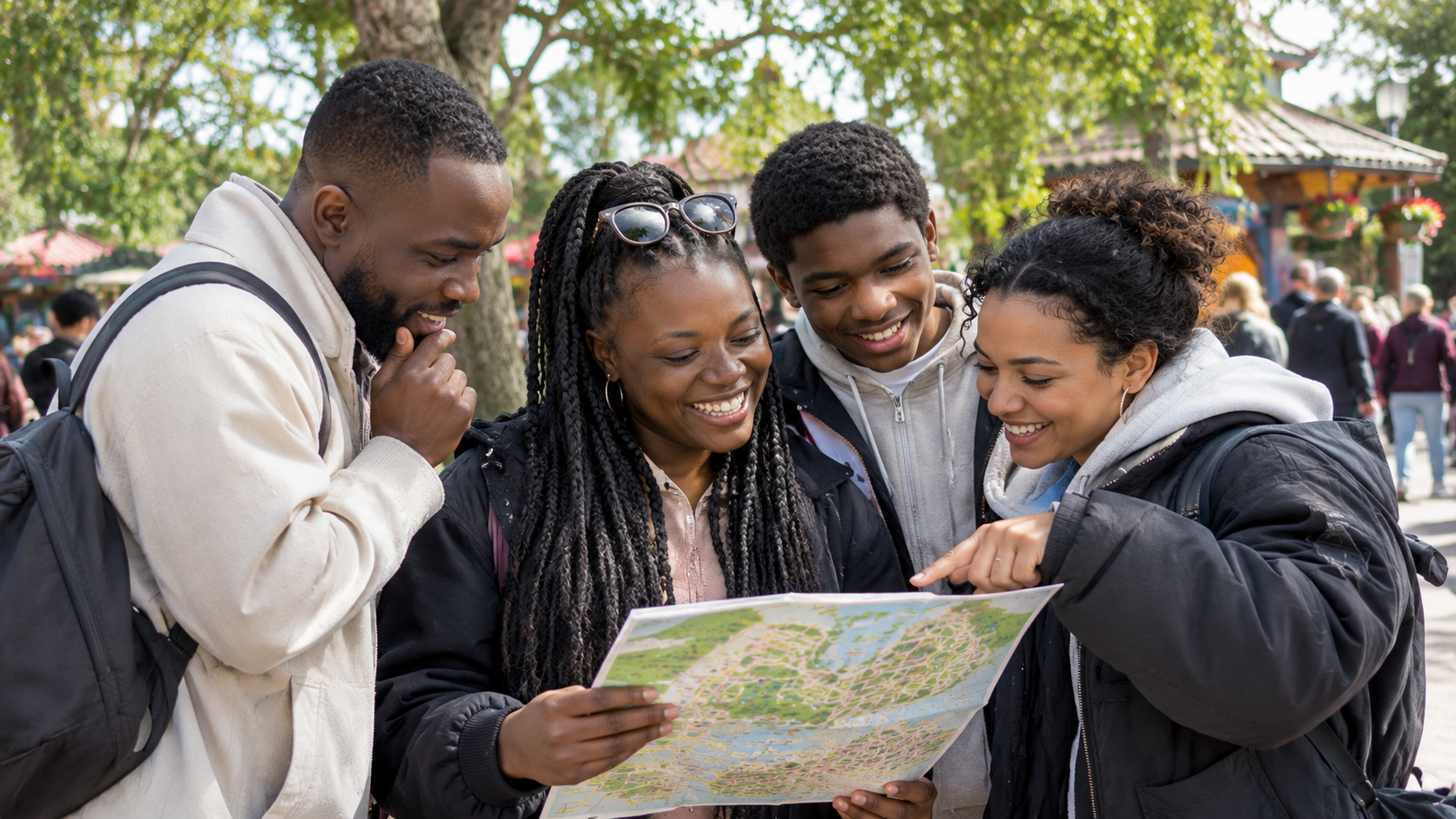
A park map might show every ride in one tidy list, but it cannot show how the day will unfold. A posted wait time can change, an attraction can temporarily close, and a queue can stop admitting guests before the park itself closes. At Warner Bros. Movie World in Australia, the official visitor information explicitly warns that ride lines may close early to finish operations on time.
So can you ride everything in a theme park in one day? Sometimes, particularly at a smaller park with manageable crowds and a short list of operating rides. At a large destination park, however, there is no dependable yes. The answer depends on what counts as an attraction, who is visiting and how much of the day remains available for riding rather than waiting or walking.
Start with the definition of “everything”
A family may count gentle rides and character experiences. A coaster enthusiast may exclude shows entirely. Another visitor might want every operating ride, including those with repeatable or alternative experiences. Those are different challenges, not competing versions of the same checklist.
The practical first step is to mark the experiences that matter most and check their requirements. Height restrictions, accessibility provisions and the preferences of children or other companions can make a supposedly complete itinerary unrealistic even on a quiet day. There is little value in planning a route that the whole party cannot use.
A full day is not a day of continuous riding
Operating hours are only the outer boundary. Walking across a large park, using lockers where needed, taking food breaks and waiting to board all occupy time. Ride availability can also change. Movie World says attractions may be affected by maintenance and weather, while its park information warns that the entrance to a queue may close before the published park closing time. The final hour therefore cannot be treated as unlimited spare capacity.
Weather and maintenance matter beyond Australia. Efteling in the Netherlands publishes information on attractions expected to be open, opening later or closed. The useful plan is not the one with the highest number of boxes; it is the one that works with the attractions actually operating on the date of the visit.
Use the park’s own tools, but read the conditions
Tokyo Disney Resort recommends installing its official app before visiting. It provides wait times and supports services including Disney Premier Access, Standby Pass and mobile food ordering. Some experiences require a Standby Pass rather than simply joining a conventional line, so checking the rules after entering the park can matter as much as choosing a route.
Across the Atlantic, Walt Disney World describes Single Rider as an option at selected attractions for people willing to split from their group. These lines are often shorter, but guests should expect to board separately. It is useful for visitors who prioritize the ride count; less so when sharing the experience is the point of the trip.
European parks offer different systems. Europa-Park’s VirtualLine is a free, limited-capacity virtual queue for selected rides. It is available only while inside the operating park, and a ticket can be in only one virtual queue at a time. At Disneyland Paris, Disney Premier Access covers eligible rides, but the operator states that a faster queue is not the same as immediate boarding. None of these systems makes a complete tour automatic.
Build an itinerary that can change
Before arriving, separate your wish list into must-rides, nice-to-haves and attractions you are happy to skip. Check published opening hours, operating notices and whether any experience requires a separate reservation or return window. Once inside, use live wait information to choose between nearby attractions rather than crossing the park repeatedly for whichever line looks shortest.
Arriving early may give a useful head start, but it cannot guarantee a particular number of rides. Keep a flexible block in the schedule for closures, delays and the attractions that turn out to be unexpectedly appealing. If a show or shared meal is important, protect that time rather than treating it as an interruption to the ride count.
What counts as a successful visit?
For some visitors, completing every operating ride is a satisfying challenge. For others, it would mean rushing past the environments and moments that make a park worth visiting. A better measure is whether the day delivered the experiences people cared about most.
The answer is a qualified yes, not a universal promise. One day can be enough for a carefully chosen itinerary and sometimes for every available ride. It cannot reliably cover every attraction at every major park. Check what is operating, understand the queue systems and build room for the unexpected. The goal is a good day, not a perfect spreadsheet.