The first surprise of a roller coaster ride may arrive before the train moves. Your pulse can quicken as you wait for dispatch, even while the vehicle is stationary or climbing slowly. Studies have recorded that response, alongside the effects of speed and acceleration. They also show why a striking number on a heart-rate monitor is not enough to determine whether a ride is safe for a particular person.
What researchers actually measured
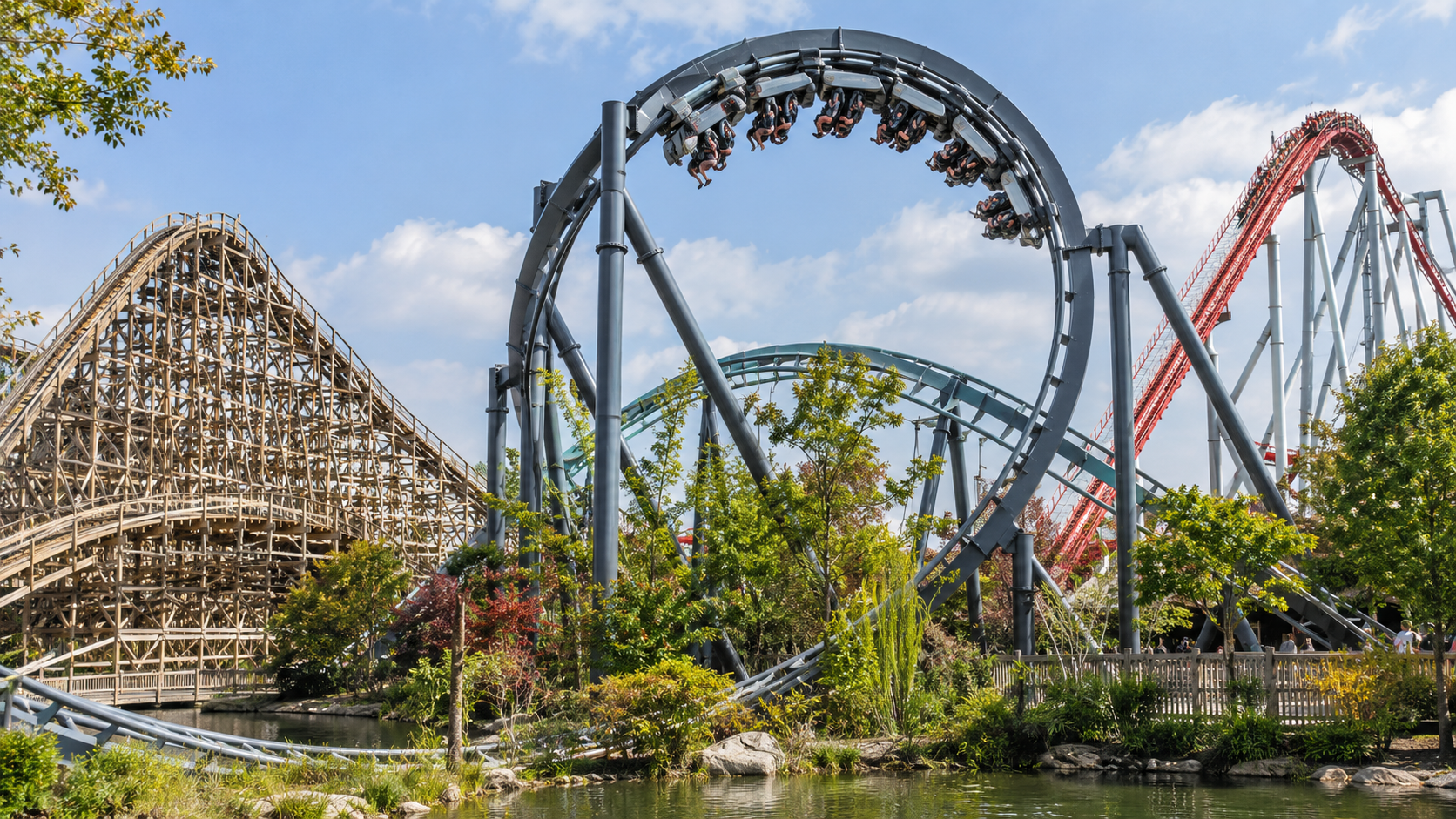
In a 2007 study published in JAMA, researchers fitted 55 apparently healthy adults with heart monitors for a ride on Expedition GeForce at Holiday Park in Germany. Average heart rate rose from 89 beats per minute before the ride to a recorded maximum of 155. The biggest early increase occurred on the lift hill, where the train had not yet reached its fast sections. The researchers pointed to emotional anticipation as an important part of the reaction.
A separate British study, published online in 2016 in Pediatric Cardiology, monitored 20 healthy children aged 11 to 15 on four high-force roller coasters. Their average heart rate climbed from 81 beats per minute at rest to 158 during the rides. No pathological arrhythmias were detected in that small sample, although elevated heart rates were common even before the ride began.
Neither result amounts to medical clearance for everyone. The child study deliberately excluded participants with abnormal cardiac findings or relevant medical histories. The adult study was also small, and its authors noted some brief rhythm disturbances. These findings are useful observations, not a universal risk calculator for people with heart disease.
Why speed is only part of the experience
Roller coaster design combines changes in velocity and direction: launches, drops, banking, turns and braking. Riders experience forces that vary with the manoeuvre. A top-speed figure alone cannot describe what the body will feel. Duration matters too, particularly when considering acceleration forces, as the international attractions association IAAPA explains in its safety guidance.
Another system may react strongly even when the heart is coping normally. Motion sickness is linked to conflicting information received by the eyes and inner ear, according to the UK's National Health Service. Its symptoms include dizziness, nausea, sweating, pallor and headache. Two riders on the same train can therefore have very different experiences without either response being surprising.
Someone who already knows that spinning or abrupt changes of direction make them sick should take that history seriously. The NHS explicitly advises avoiding fairground rides that trigger symptoms. Fresh air, a break from motion and water may help afterwards. For people considering motion-sickness remedies, a pharmacist can explain options and precautions rather than leaving them to guess.
The sign at the entrance matters more than the thrill rating
Medical restrictions are attraction-specific. Europa-Park in Germany, for example, warns that pregnant visitors and guests with heart, back or related conditions cannot use every attraction. It provides separate information on rides that are prohibited or not recommended during pregnancy and encourages a medical discussion before a visit.
That distinction is important internationally. A ride being open to families, or a visitor meeting the minimum height, does not remove a medical warning. People with heart conditions, blood-pressure concerns, neck or back problems, pregnancy or unexplained symptoms should examine the posted restrictions and seek personalised clinical advice when uncertain. Do not use another person's experience as proof of suitability.
For children, eligibility involves more than a height measurement. IAAPA's guidance says adults should ensure children can follow ride instructions and should never force anyone to ride. A frightened child is allowed to change their mind, even after standing in line.
A sensible routine before and after riding
Read the restrictions before committing to the queue. Secure loose belongings, check that the restraint is properly positioned, keep hands and feet inside the vehicle, and follow staff directions until the ride has stopped. These are the practical rules IAAPA highlights for visitors, regardless of country or park size.
If you feel unwell before boarding, opting out is a reasonable choice. If dizziness or nausea follows a ride, step away from further motion and rest. Severe chest discomfort, serious breathing difficulty or collapse are different: alert park staff and seek local emergency medical assistance immediately rather than assuming these symptoms are an ordinary adrenaline response.
A roller coaster is meant to feel extraordinary, but there is no single level of intensity that everyone should tolerate. Research helps explain the body's reactions; posted warnings, individual health and the freedom to decline a ride remain the useful guides for the visitor.