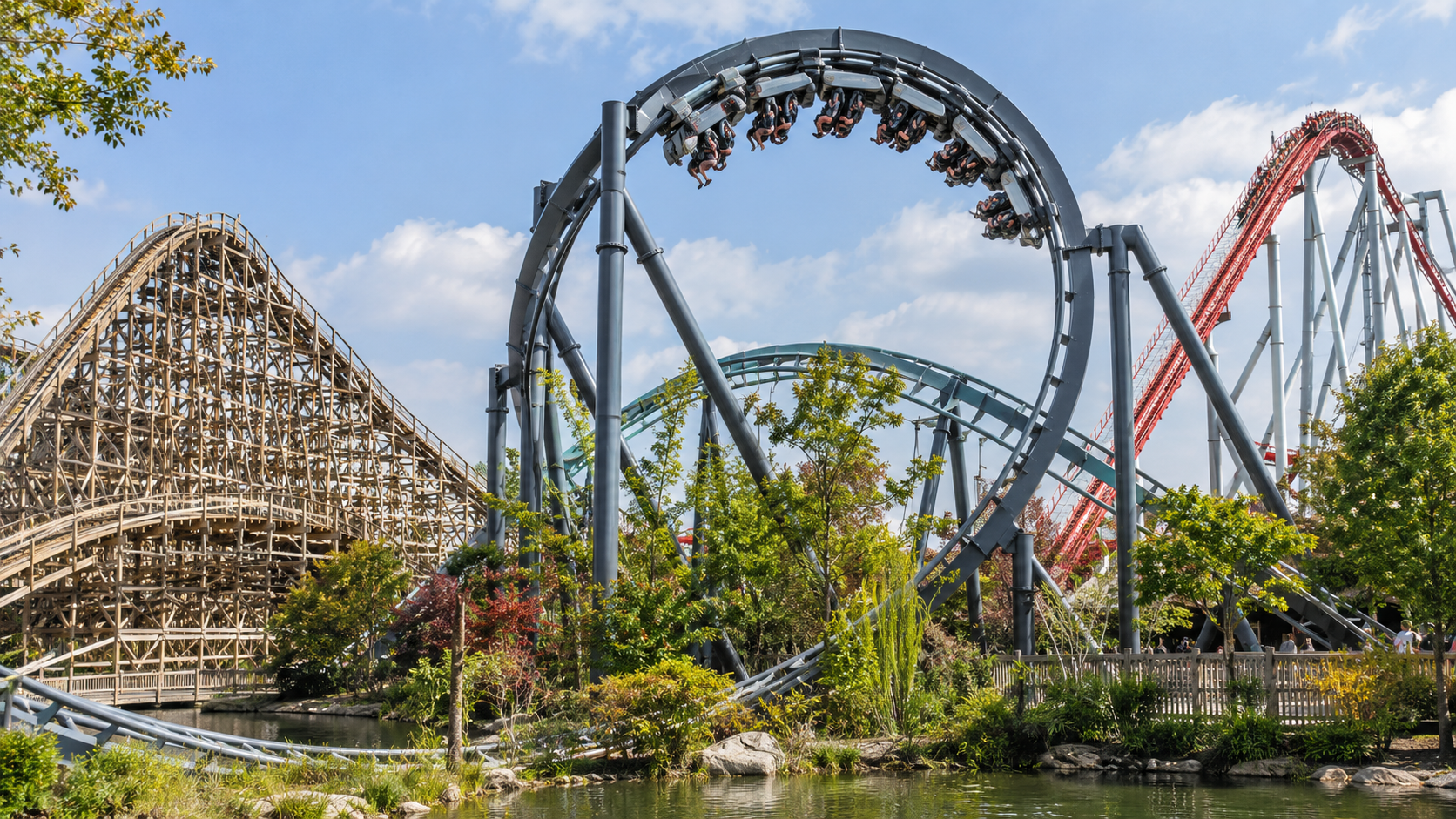
A restraint bar is the most visible safety feature on many theme park rides, but the systems behind it begin long before a guest takes a seat. Engineers establish design requirements, operators prepare equipment, inspectors examine it, and park staff decide whether individual riders can board. Understanding those different responsibilities makes the signs at an attraction entrance much more meaningful.
Safety starts at the design stage
The international standard ISO 17842-1:2023 sets out minimum requirements for the design, calculation, manufacture and installation of amusement rides and devices. Its scope extends beyond roller coasters to equipment such as carousels, swings, boats and Ferris wheels. ASTM International’s F24 committee also develops standards covering design, testing, operation, maintenance and specialist attractions.
These technical frameworks help establish good practice. They should not be mistaken for a single worldwide law. Countries and jurisdictions have their own requirements for inspections, operators and regulatory oversight.
Checks continue after a ride opens
In Queensland, Australia, the regulator requires amusement devices to be checked before operation each day they are used. Its guidance also specifies an operation without passengers before the first passenger run, with those checks recorded in a logbook. Detailed inspections are generally required at least every 12 months, subject to the relevant rules and device category.
Britain’s Health and Safety Executive likewise describes the need for trained staff who understand daily checks, loading procedures, restraints, emergency responses and the correct operation of the ride. A well-designed restraint is useful only when it is maintained, fitted and operated as intended.
This is why the operator's role should not be dismissed as simply pushing a start button. Checking that a passenger is positioned correctly, clearing hazardous areas and responding to an unexpected condition all belong to the safety process.
Height is only one boarding condition
Park websites reveal how specific those conditions can be. At Tokyo DisneySea, Flounder’s Flying Fish Coaster requires guests to be at least 90 cm tall and able to maintain a stable seated position independently. The attraction also lists health-related restrictions, including conditions affecting the heart, back or neck, and advises expectant mothers not to ride.
At Universal Orlando, the published height rules differ by attraction. Some rides also provide test seats, allowing guests to assess the seating and restraint fit before joining the ride. A height measurement alone therefore does not guarantee that a particular vehicle can safely accommodate every guest.
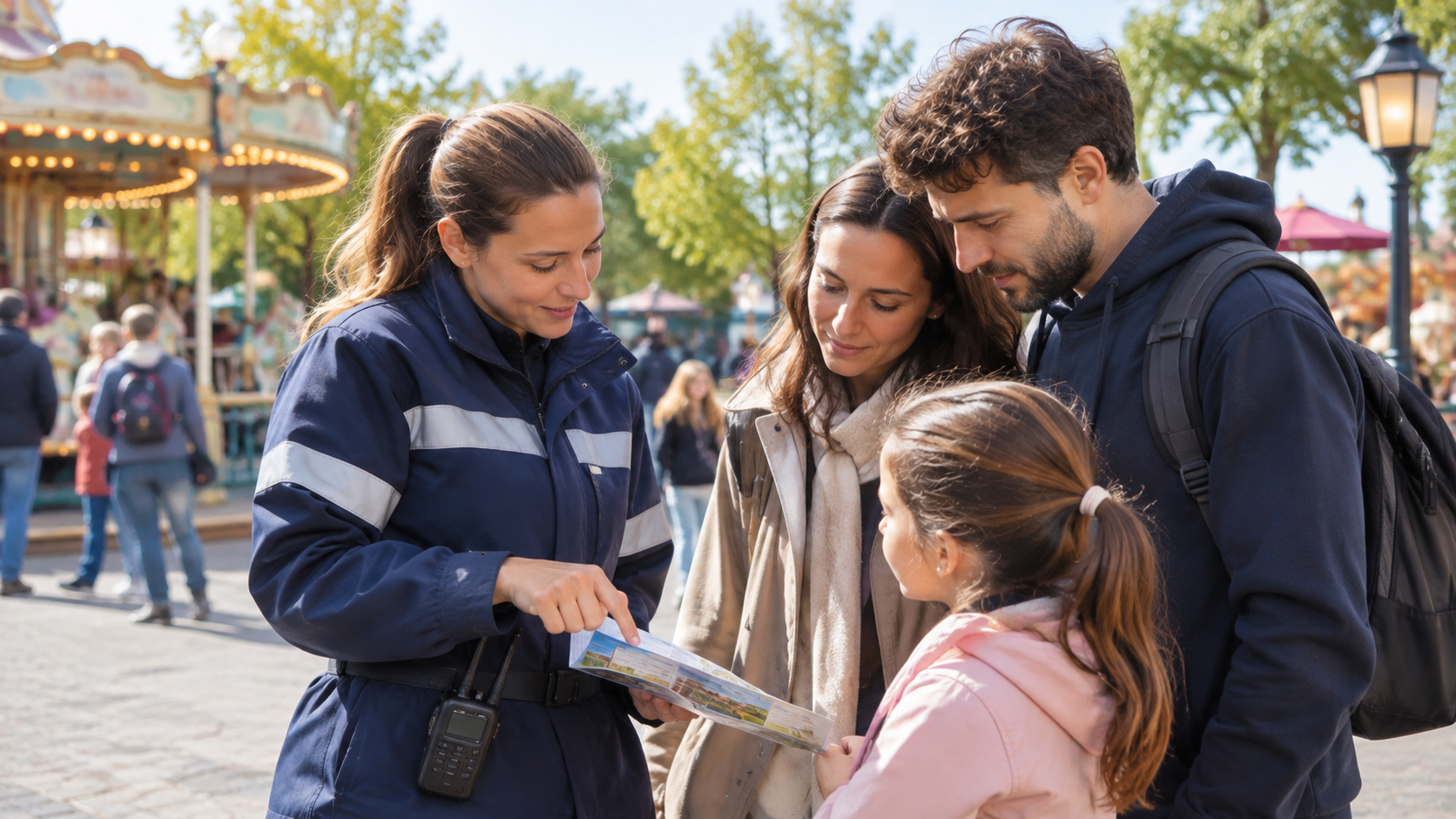
Accessibility should be considered through the attraction’s actual boarding and evacuation requirements, rather than assumptions about a visitor. Asking a team member about transfers, seating or assistance before queuing can prevent confusion at the loading platform.
What happens when a ride stops?
Not every pause indicates a mechanical failure or an emergency. Tokyo Disney Resort states that the operation of some attractions can be temporarily suspended because of weather or entertainment activity. The safe response is to remain where staff instruct you to stay and follow the ride-specific procedures. Guests should never attempt to release restraints or leave a stopped vehicle on their own.
Operators are expected to know how to respond to emergencies. The HSE’s British guidance includes handling situations in which riders become injured or incapacitated, while Queensland requires training on emergency stopping and safe passenger exits. Those expectations do not mean that every interruption leads to an evacuation.
The visitor still has an important part
IAAPA advises guests to follow posted restrictions, listen to operators, keep hands and feet inside the vehicle, secure loose belongings and stay seated until instructed to exit. It also warns against trying to loosen restraints, riding while impaired, or pressuring children into an experience they do not want.
A phone held out for a video may seem harmless, but it is still a loose object unless the attraction specifically permits its use. The appropriate storage solution can differ from one ride to the next. If something seems unsafe, raise the concern with an employee or supervisor rather than trying to fix it yourself.
A practical way to plan a safer visit
Review official attraction information before arriving, especially if someone in your group has a health condition, needs assistance or may be close to a height threshold. Read the signs again at the entrance, ask about restraint fit when relevant, and respect a decision not to board.
Engineering, inspection and trained operation carry the primary responsibility for ride safety. Following the instructions is the part each guest can control. Both matter, and neither should be used as a substitute for the other.