A theme park visit does not require a group. Whether the goal is riding a favorite attraction repeatedly, exploring themed environments or simply spending a day somewhere enjoyable, visiting alone changes how decisions are made.
One practical benefit is already built into several major destinations. Tokyo Disney Resort, Walt Disney World and Efteling all document Single Rider options at selected attractions. But the real appeal of a solo visit goes beyond finding an alternative queue.
What changes when nobody else sets the pace
Group visits often involve negotiation. One person wants another roller coaster, someone else prefers a show, and another guest is ready for lunch. That is part of traveling together, but it can also determine how much time everyone spends doing something they actually enjoy.
A solo visitor can make those decisions independently. A favorite experience can be repeated without discussion. A quiet themed area can become an extended stop rather than a brief detour. A show can replace a planned ride simply because it seems more appealing at that moment.
This flexibility is particularly useful at large resorts, where trying to experience everything in one day may leave little time to appreciate the surroundings.
The most effective approach is not necessarily to abandon planning. Choosing a few essential attractions, identifying their locations and keeping the rest of the schedule flexible provides direction without removing spontaneity.
How Single Rider actually works
Single Rider queues are designed to fill otherwise unused seats in attraction vehicles. Guests using them agree to board individually, including when they arrived at the park as part of a larger party.
Tokyo Disney Resort identifies Single Rider opportunities at attractions including Enchanted Tale of Beauty and the Beast at Tokyo Disneyland and Indiana Jones Adventure: Temple of the Crystal Skull, Raging Spirits and Anna and Elsa's Frozen Journey at Tokyo DisneySea. The official resort FAQ also warns that availability depends on operating conditions.
At Walt Disney World in Florida, the resort describes the same basic principle: guests are directed to available seats that have not been filled through other boarding lines. Its published information includes Single Rider options at Millennium Falcon: Smugglers Run and Remy's Ratatouille Adventure.
Universal Orlando also identifies a Single Rider option for Harry Potter and the Forbidden Journey at Islands of Adventure.
These examples demonstrate that the system is not limited to roller coasters or to one region of the world.
However, Single Rider should never be confused with guaranteed priority access. Walt Disney World explicitly states that immediate boarding and seat selection are not guaranteed. Participating attractions and waiting times can change.
At Efteling in the Netherlands, the park explains that Single Rider waits depend on available seats. Its separate queue can even close on quieter days. Choosing the regular queue may sometimes be more suitable, especially if the full themed waiting experience matters to the visitor.
A solo visit is not just about maximizing ride counts
The freedom to move quickly can become a distraction if every decision revolves around shortening a queue.
Theme parks also offer themed landscapes, performances, restaurants and smaller experiences that deserve attention. Solo visitors can spend time exploring details without worrying about delaying someone else's itinerary.
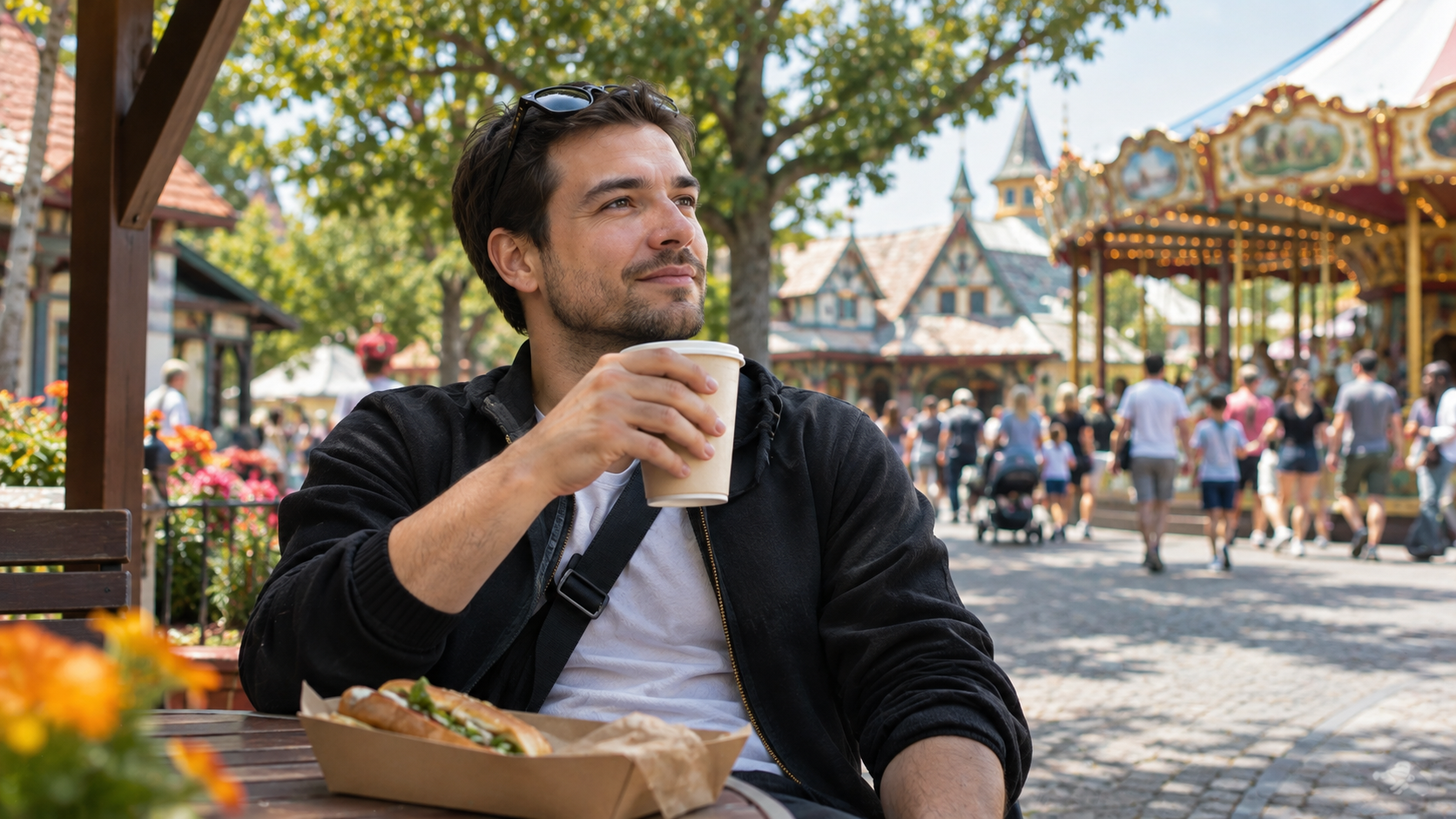
Dining presents another opportunity to choose independently. A quick meal leaves more time for attractions, while a longer break can provide a welcome change of pace. Eating alone does not require special arrangements, although restaurant reservations and seating procedures should be checked when relevant.
The same principle applies to photography and shows. A visitor can wait for a preferred viewing position or take time composing photographs, provided they respect park rules and other guests.
The practical challenges worth solving beforehand
Being alone means taking responsibility for every part of the visit, including personal belongings and transportation.
Some attractions restrict loose items. Universal Orlando lists such restrictions for Harry Potter and the Forbidden Journey. Before joining an attraction queue, visitors should check whether a bag or other belongings can be brought aboard and what storage arrangements are available.
A charged phone, accessible admission ticket and clear understanding of the park layout are especially useful when there is nobody else carrying a backup device or keeping track of the schedule.
Transportation deserves similar attention. Anyone relying on trains, buses or shuttles should verify their return route and final departure options rather than assuming services will still be running after the park closes.
For a first solo day, a familiar destination or a manageable single-park itinerary can reduce unnecessary logistical pressure. Planning a few essentials is usually more useful than trying to follow a minute-by-minute schedule.
Making the experience your own
Some visitors may welcome brief conversations with fellow guests. Others will prefer the independence of spending the day without social expectations. Neither approach is a requirement for enjoying a theme park alone.
A solo visit can feel different from a family holiday or a trip with friends, particularly during meals or long waits. That difference is not automatically a disadvantage. It creates room for a more personal experience, with fewer compromises and more opportunities to follow individual interests.
The question is not whether visiting alone can reproduce the atmosphere of a group trip. It is whether the freedom to choose every part of the day makes the visit worthwhile for you.